IBS with diarrhea has a pattern many readers know well. You eat a normal meal. An hour later you need a bathroom, fast. Then you start guessing: was it the milk, the apple, the onions, the coffee?
Guessing one food at a time rarely works, because the trigger is often a group of carbohydrates, and the dose matters. That is the problem the low FODMAP protocol was built to solve.
This guide is specific to diarrhea-predominant IBS. It uses the same Monash framework as our beginner guide, with the focus on the groups and habits that matter most when loose stools are the main symptom.
Why Some FODMAPs Matter More for Diarrhea
FODMAPs are short-chain carbohydrates that the small intestine absorbs poorly. Two things happen next, and both matter for IBS-D.
- They can draw water into the gut. Excess fructose, lactose (if you digest it poorly), and the polyols sorbitol and mannitol pull water into the bowel. More water can mean looser, more urgent stools.
- They ferment. Gut bacteria ferment FODMAPs that reach the large intestine, producing gas. That adds bloating and pressure on top of the urgency.
That is why IBS-D testing looks closely at fruit sugars, regular dairy, and sugar-free products, as well as the classic fructan sources like onion, garlic, and wheat. It does not mean those groups are your triggers. Only the reintroduction phase can tell you that.
You can check any single food in our free FODMAP Food Chart, which covers 221 foods, and our gut health hub collects the rest of our FODMAP guides.
The 3 Phases, Applied to IBS-D
The diet was designed at Monash University as a 3-phase protocol. Phase 1 alone tells you very little - the testing in phase 2 is where your personal answers are.
| Phase | What you do | How long |
|---|---|---|
| 1. Elimination | Eat low FODMAP portions only. Keep meals simple and cooked where you can, and keep a short food and symptom log. | A few weeks |
| 2. Reintroduction | Test one FODMAP group at a time, in rising amounts over a few days, while the rest of the diet stays low. Note urgency and stool pattern for each group. | Several weeks, one group at a time |
| 3. Personal plan | Bring back every food you tolerated. Restrict only your confirmed triggers, only as much as needed. | Your long-term way of eating |
The low FODMAP diet is a short-term elimination protocol, and it is best done with a dietitian. Monash University is the research authority behind it. It may help you identify your personal triggers. It is not a cure for IBS, and phase 1 is not meant to be your permanent diet.
What to Eat in Phase 1, With Portions
These are Monash-based servings per sitting. At these portions, each food fits phase 1 for most people. For IBS-D, the cooked and simple options are the usual starting point.
| Food | Phase 1 serving | Good to know |
|---|---|---|
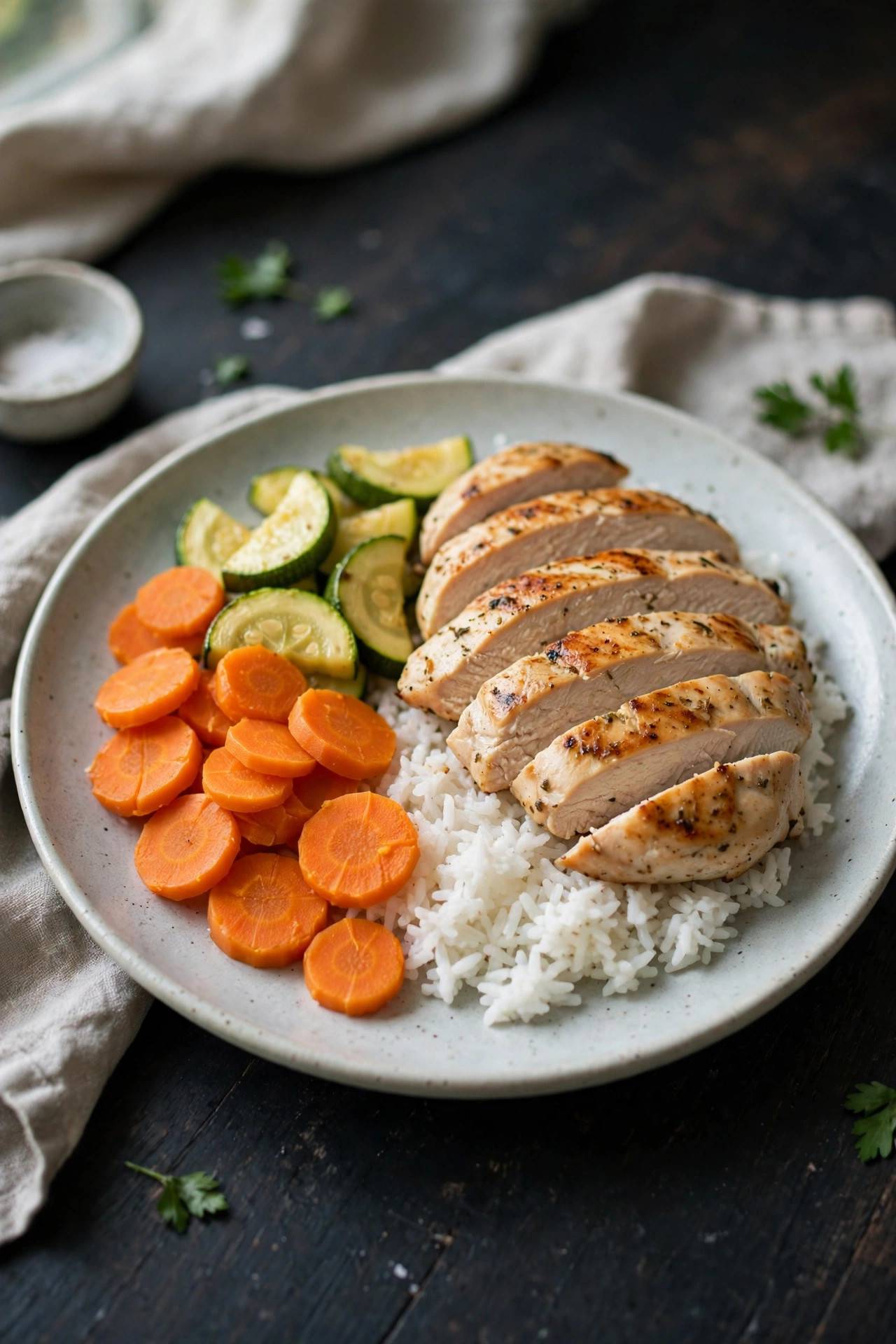
| White rice | 1 cup cooked | A steady, plain base for lunch and dinner. |
| Eggs | 2 eggs, any style | Eggs contain no FODMAPs. A safe protein base. |
| Plain chicken, meat, or fish | A palm-size serving, unbreaded | Plain is the key word. Marinades often hide garlic and onion. |
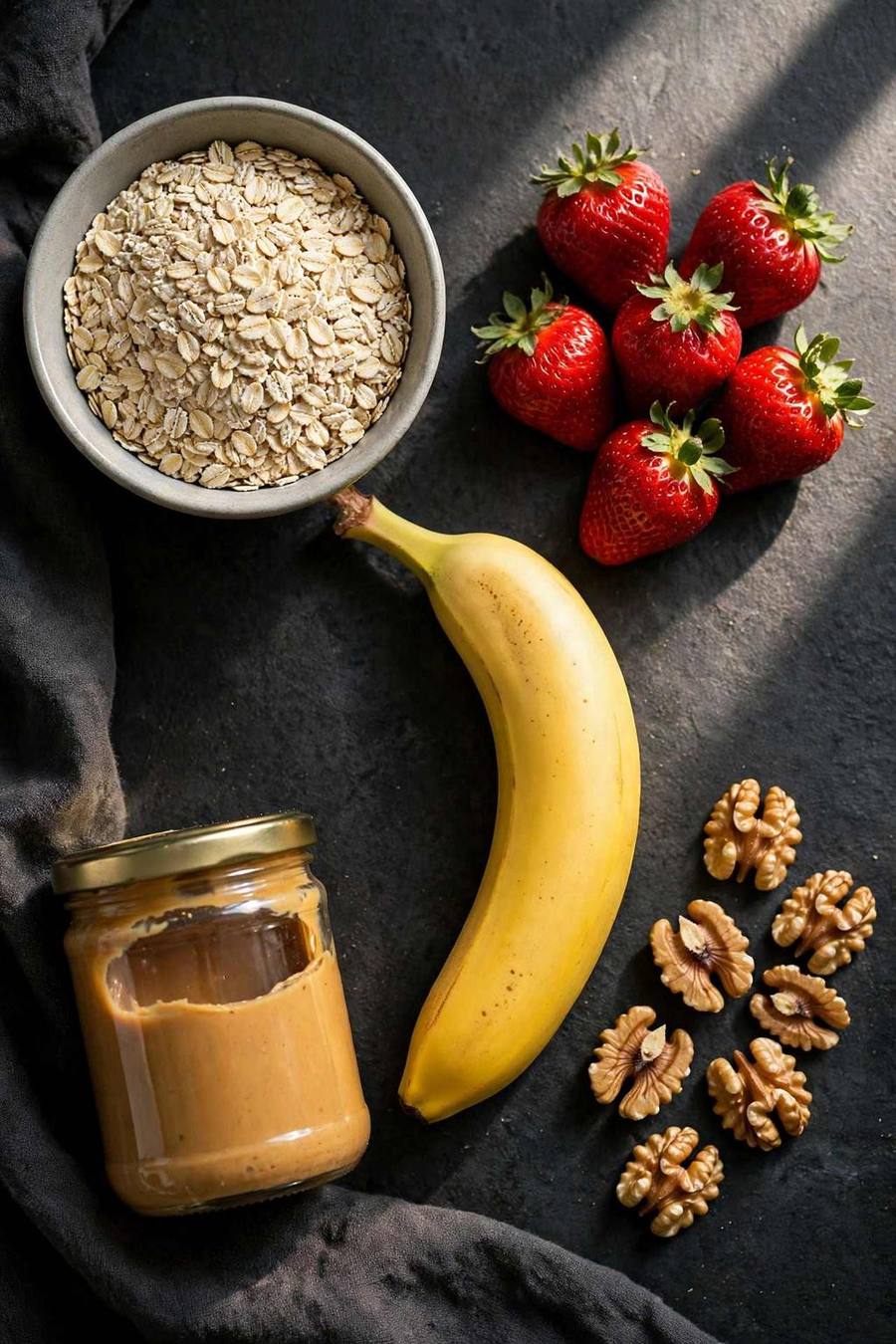
| Rolled oats | 1/2 cup dry (about 52 g) | Measure dry. Cooked oats are a gentle breakfast base. |
| Sourdough spelt bread | 2 slices | Real sourdough only. Regular wheat bread is high in fructans. |
| Banana | 1 medium, firm and just ripe | Ripe and spotty raises the fructan load. |
| Strawberries | 5 medium | One of the most forgiving fruits in phase 1. |
| Blueberries | 1/4 cup (about 40 g) | A sprinkle, not a cup. Keep one counted fruit per meal. |
| Lactose-free milk or yogurt | 1/2 to 1 cup | Removes the lactose question while you test. |
| Carrots, zucchini, green beans, spinach | About 1 cup, cooked | Cooked is the IBS-D friendly default in phase 1. |
| Peanut butter | 2 tablespoons | Plain, short label. Honey-sweetened versions add fructose. |
| Walnuts | 10 halves | Most nuts fit at a counted portion. Cashews and pistachios do not. |
| Maple syrup | 1 to 2 tablespoons | Pure maple syrup is low FODMAP. Honey is not. |
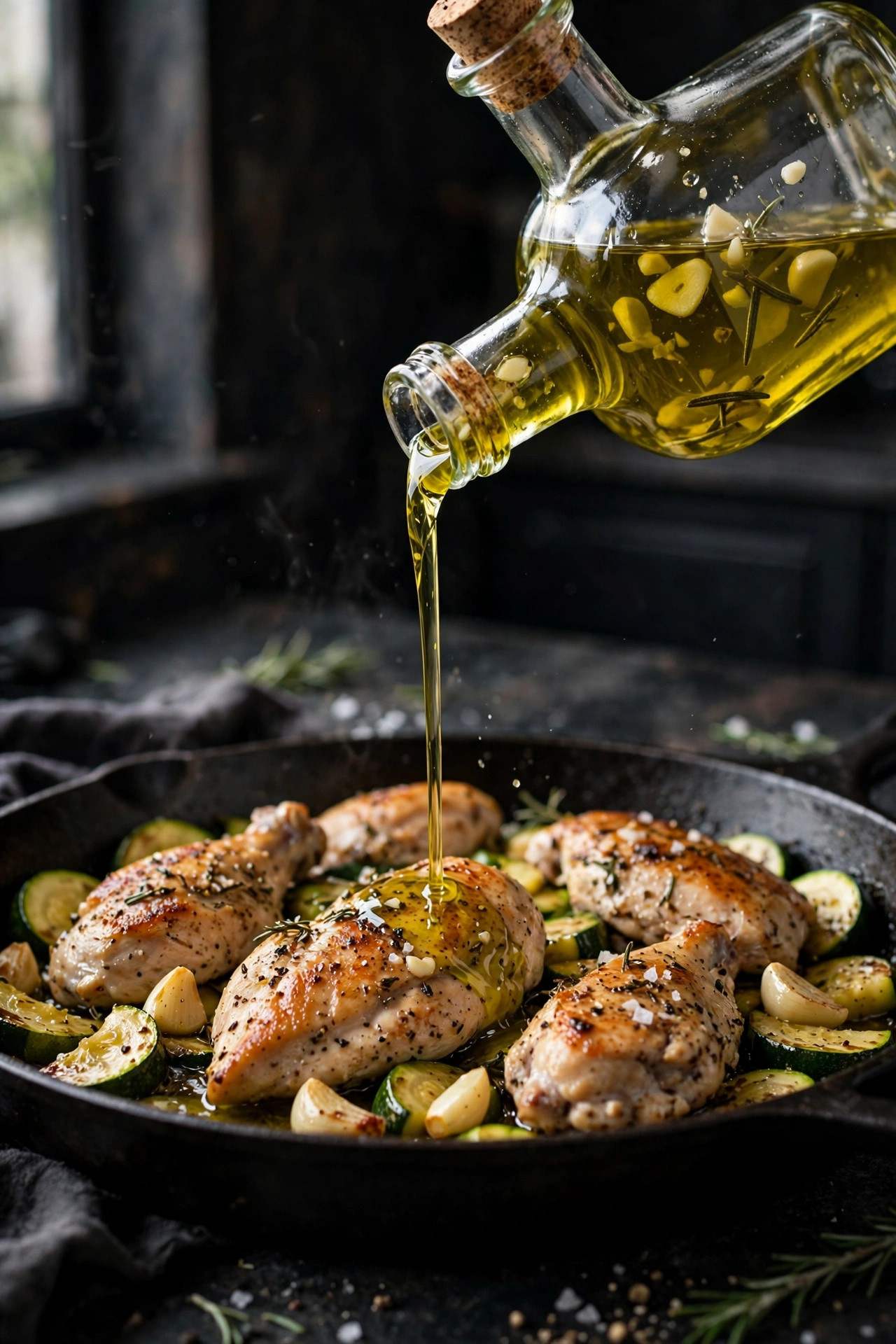
| Garlic-infused olive oil | As your cooking oil | Garlic flavour without fructans - fructans do not dissolve in oil. |
One rule sits under the table: FODMAPs stack across a sitting. Several borderline servings in one meal can add up, even when each one fits on its own.
Our vegetable portions guide and guide to low FODMAP eating for gas go deeper on the groups readers ask about most.
Foods to Pause in Phase 1
- Apples, pears, mango, and dried fruit. High in fructose and sorbitol - two of the water-drawing groups. Swap: the counted fresh fruits in the table.
- Regular milk, soft cheese, and regular yogurt. High in lactose. Swap: lactose-free versions.
- Sugar-free gum, mints, and sweets. Sorbitol and mannitol hide here, and they catch many people with IBS-D.
- Garlic and onion. The two biggest fructan sources, hidden in sauces, stocks, and spice blends. Swap: garlic-infused oil and the green tops of spring onions.
- Wheat bread, pasta, and most cereals. High in fructans at normal servings. Swap: sourdough spelt, rice, and measured oats.
- Honey and high-fructose sweeteners, including large glasses of fruit juice. Swap: pure maple syrup at 1 to 2 tablespoons.
- Beans and large servings of lentils. High in galacto-oligosaccharides. Small canned, rinsed servings are a reintroduction topic - ask your dietitian.
- Button mushrooms. High in polyols at normal servings. Cauliflower is different now: Monash retested it in 2025, and 3/4 cup is low FODMAP - only larger servings are a polyol concern.
- Cashews and pistachios. High FODMAP even at small portions, unlike most other nuts.
Pausing is not forever. Every food on this list is a reintroduction candidate in phase 2. The pause just gives you a clean baseline while symptoms settle.
5 Eating Habits That Help Phase 1 Work
- Smaller meals, eaten slowly. Very large meals are a common urgency trigger on their own, whatever the FODMAP content.
- Cooked over raw, at first. Large raw salads are harder work for a sensitive gut. Cooked vegetables at the portions above are the phase 1 default.
- Watch the non-FODMAP triggers. For some people, coffee, alcohol, very spicy food, and very fatty meals stir up diarrhea for reasons that have nothing to do with FODMAPs. Note them in your log instead of guessing.
- Keep a short food and symptom log. Food, portion, and what happened in the next few hours. That log is what makes phase 2 testing fast and clear.
- Do not judge the diet in three days. Give phase 1 a few consistent weeks, then judge it on the log, not on one bad day.
A Sample IBS-D Day
Breakfast: strawberry overnight oats - 1/2 cup rolled oats, lactose-free milk, 2 tablespoons chia, 1 tablespoon maple syrup, 5 strawberries. Our overnight oats recipe uses the same oat portion. More mornings are in our breakfast recipes guide.
Lunch: egg and spinach muffin cups with white rice and cooked carrots. The Egg Spinach Muffin Cups recipe fits as written - eggs carry no FODMAPs.
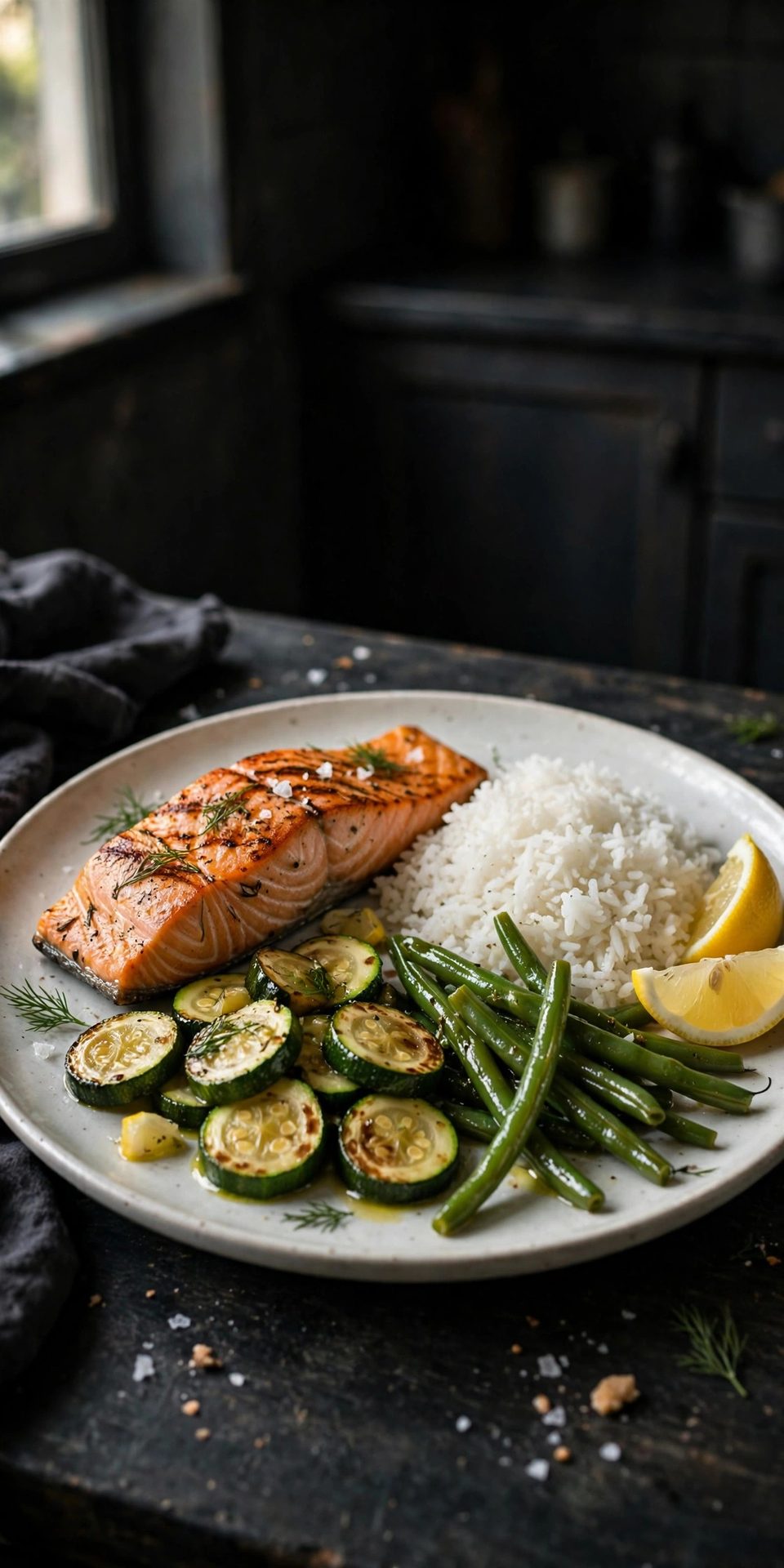
Dinner: grilled salmon, white rice, cooked zucchini and green beans, cooked in garlic-infused olive oil with lemon. Simple, filling, and low in fermentable load.
Snack, if you want one: lactose-free yogurt with 10 walnut halves, or peanut butter on sourdough at the counted portions.
Want This Planned for You? Meet the Low FODMAP Meal Planner Pro
Built to turn safe portions like these into a finished 7-day plan
A list solves today. Tomorrow the portion questions start again, for every meal. The planner builds the whole week at once, from meals that already respect Monash portions, and writes the shopping list for you.
What it does for you
- 52 Monash-guided meals - 12 breakfasts, 14 lunches, 16 dinners, and 10 snacks - built into a personal 7-day plan.
- Swap any dish and the replacement still fits your settings, so a meal you dislike never breaks the week.
- Eating-style and food-avoidance filters: vegetarian, dairy-free, and foods you avoid like eggs, nuts, or soy.
- It writes the grocery list for the plan - grouped for the store, quantities calculated, duplicates merged.
Good to know
- It costs $19 once, with no subscription, and a 7-day money-back guarantee.
- It is a planning tool for the elimination phase, not medical advice.
One Small Support
The planner above is the main tool. This one item is just a support for the recipes in this guide, and it is secondary.
Garlic-infused olive oil
It is the single swap that gives phase 1 cooking its flavour back. We read many real Amazon customer reviews before listing this pick. Check the label: choose an infused oil with no garlic pieces in the bottle.
A note on the diet itself: The low FODMAP diet is a short-term elimination protocol. It is phase 1 of 3, followed by reintroduction and then a personal long-term plan. It is best done with a dietitian. Monash University is the research authority behind it. This approach may help some people work out their triggers, but it is not a cure for IBS. If symptoms are new, severe, bloody, or getting worse, or you are losing weight without trying, talk to your clinician promptly.
Questions, answered
What is the low fodmap diet for ibs diarrhea, in plain words?
It is the Monash University low FODMAP protocol used with diarrhea-predominant IBS. For a few weeks you eat low FODMAP portions, then you test each FODMAP group back in one at a time, then you build a personal plan. Some FODMAPs draw water into the gut, which is why testing them can matter when loose stools are the main problem.
Which FODMAPs matter most when diarrhea is the main symptom?
All five groups are tested, but excess fructose and the polyols sorbitol and mannitol are often looked at closely for IBS-D, because they can draw water into the bowel. Lactose can do the same if you do not digest it well. Only reintroduction testing tells you which groups are your own triggers.
What can you eat for breakfast on a low FODMAP diet for IBS-D?
Measured rolled oats (1/2 cup dry) with lactose-free milk and strawberries, eggs any style, sourdough spelt toast (2 slices) with peanut butter, or lactose-free yogurt with a firm banana. Keep the fruit to one counted portion while you learn.
Is the low FODMAP diet a cure for IBS diarrhea?
No. It is a short-term elimination and testing protocol. It may help some people identify their personal food triggers, and the personal plan in phase 3 is the long-term result. It is best done with a dietitian, and new, severe, or worsening symptoms need a clinician, not a diet blog.
How long should phase 1 last for IBS-D?
A few weeks - long enough to get a clear read on your symptoms, and no longer. Staying in strict phase 1 for months skips reintroduction, which is where you learn which groups actually trigger your diarrhea. A dietitian can time this with you.
The Whole Nest is here. All 11 WellNest planners, trackers and protein tools in one home - yours to keep, under one key. See The Whole Nest ->
More from WellNest
- The Low FODMAP Diet for Beginners: Simple Start - the full beginner map: what FODMAPs are, the 3 phases, and exact portions.
- Low FODMAP Diet Breakfast Recipes: 7 Easy Phase 1 Ideas - breakfasts that fit phase 1, with the portions that decide everything.
- Food Diary for Bloating: How to Track, Read, and Find Your Triggers - keep the food and symptom log that makes phase 2 testing fast and clear.
- Low FODMAP Diet Vegetables: Safe List + Portions - which vegetables you can eat freely in phase 1, and where the portion decides.
Got 3 ingredients? Find your recipe
Tell the free WellNest Recipe Finder the 3 ingredients you already have, and it matches you to a real recipe from our verified library. Your match comes with the free finder signup - a fresh 3-ingredient idea in your inbox every week.
 FREE
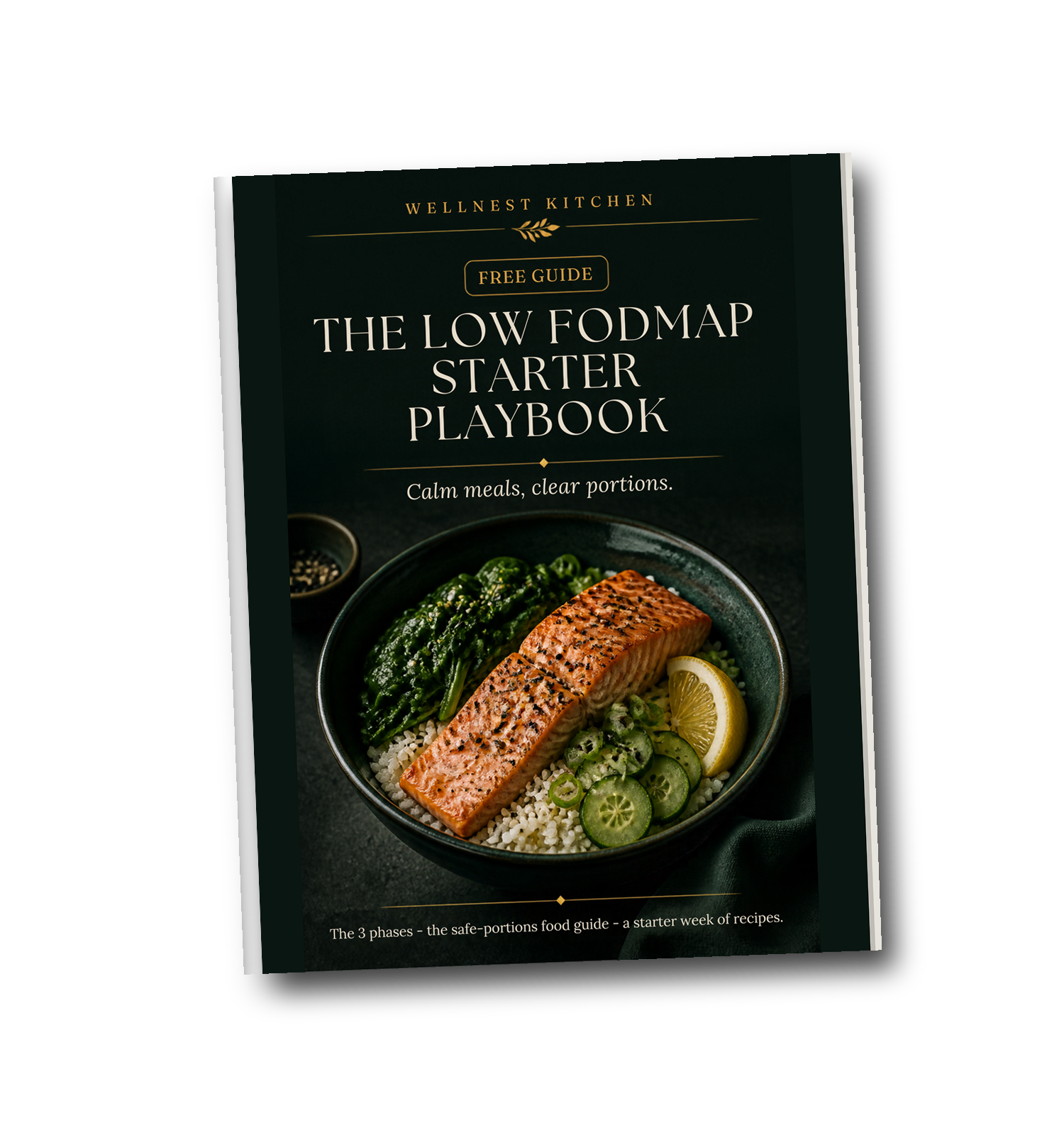
Get the Free FODMAP Ebook
Join the WellNest newsletter and get the free ebook - 109 foods rated the Monash way, 10 starter recipes with portion checks, and a simple plan for your first weeks. The full pack by email: the Low FODMAP Starter Playbook ebook + a printable food chart and a first-week grocery list. Free, always.