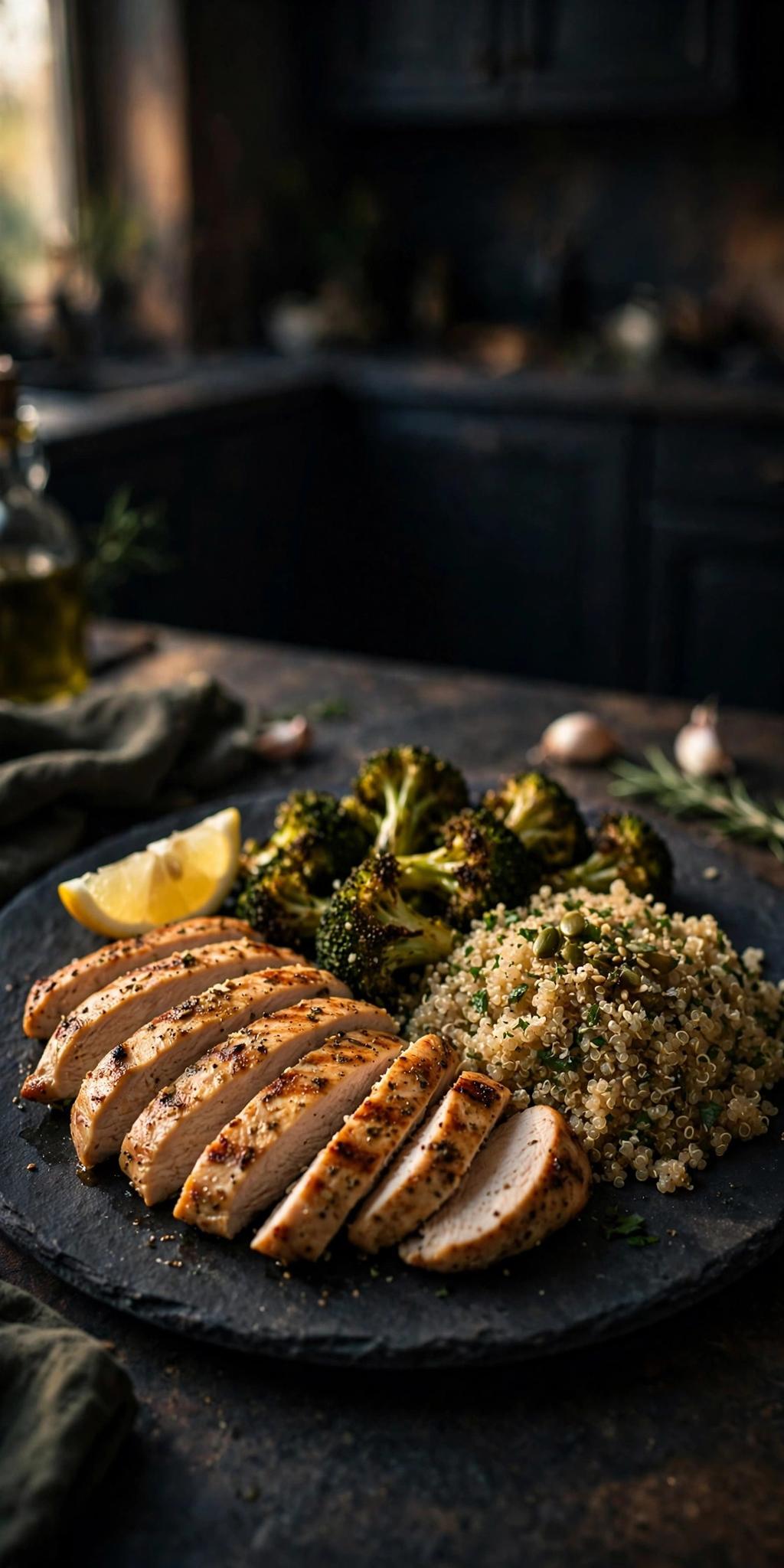
You eat well all day, then check the total at night and find 55 grams of protein. Half of what you meant to eat.
It is not a willpower problem. Protein hides at the end of meals - a little in the oats, a little in the sandwich - and nobody added it up while there was still time to fix it.
A high protein meal plan fixes the order: set the target first, pick anchor foods that carry real protein, and spread the total across the day. This guide does each step with real numbers.
How Much Protein Do You Need Each Day?
On a high protein meal plan, your daily protein target comes from your body weight and your goal, not from a one-size number on a label.
The US Recommended Dietary Allowance for protein is 0.8 grams per kilogram of body weight per day for adults, from the National Academies. That allowance is a floor set to prevent shortfall, not a target for people who train or who are trying to hold on to muscle while losing weight.
The International Society of Sports Nutrition, in its 2017 position stand on protein and exercise, puts the range for most exercising people at 1.4 to 2.0 grams of protein per kilogram of body weight per day.
A middle target of 1.6 grams per kilogram suits many active adults. Here is what that target looks like at common weights:
- 150 lb (68 kg): about 109 grams of protein a day at 1.6 g/kg.
- 170 lb (77 kg): about 123 grams of protein a day.
- 200 lb (91 kg): about 145 grams of protein a day.
Not sure which end of the range fits you? Our free Protein Calculator works out a personal number from your weight and goal in seconds. If you are also on a GLP-1, our guide to how much protein on a GLP-1 covers the smaller-appetite version of this same math.
What Are the Best Anchor Foods for a High Protein Meal Plan?
The anchor foods in a high protein meal plan are the foods that carry 20 grams of protein or more in a normal serving. Build each meal around one anchor, then add vegetables, grains and flavour around it.
| Anchor food | Typical serving | Why it anchors a meal |
|---|---|---|
| Chicken and turkey | One breast or a wrap filling | The densest everyday protein - easy to batch-cook for the week |
| Greek yogurt and skyr | One bowl, about 200 g | Breakfast and snack protein with no cooking at all |
| Eggs and egg whites | 2 eggs plus whites, or muffin cups | Cheap, fast, and easy to prep ahead in batches |
| Fish and seafood | Salmon patties, tuna, shrimp | High protein in a small portion, cooks in minutes |
| Cottage cheese | On toast or in an egg bake | Quietly high in protein and easy to add to meals you already eat |
| Tofu, tempeh and edamame | A stir-fry or snack bowl | The plant anchors that carry real protein, not token amounts |
For scale, USDA FoodData Central lists cooked chicken breast at about 31 grams of protein per 100 grams, and plain non-fat Greek yogurt at about 10 grams per 100 grams.
Those USDA figures explain the pattern in the table: a chicken-based lunch and a yogurt-based breakfast do most of a day's work before dinner is even planned.
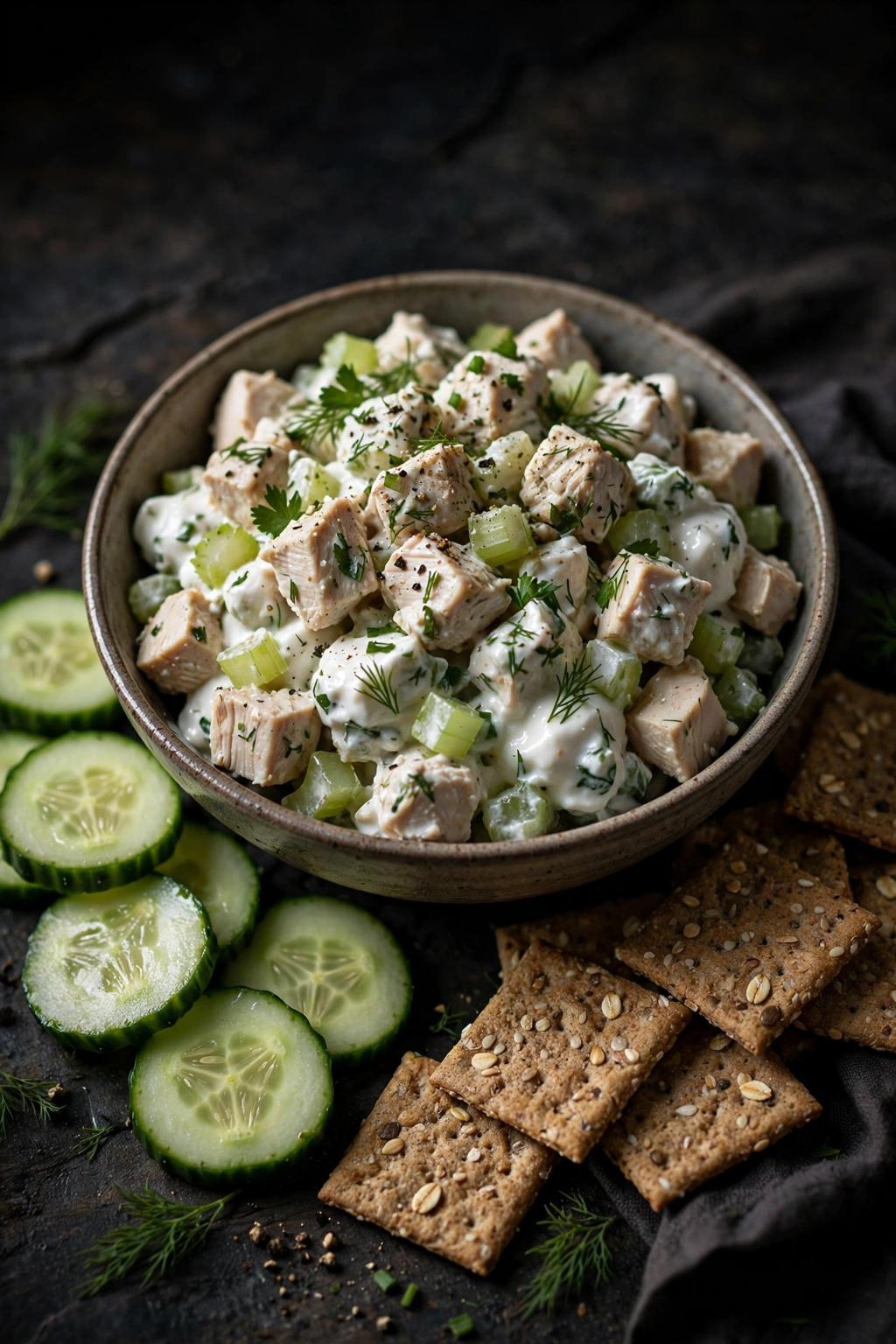
Our Greek yogurt chicken salad is the lunch version of this idea, at 39 grams of protein per serving in our counted recipe library.
What Does a Sample High Protein Day Look Like?
A sample high protein day reaches 117 grams of protein over three meals and a snack, using real WellNest recipes with the protein counted per serving.
| Meal | Recipe | Protein |
|---|---|---|
| Breakfast | Egg White Turkey Breakfast Wrap | 34 g |
| Lunch | Greek Yogurt Chicken Salad | 39 g |
| Dinner | Salmon Patties | 27 g |
| Snack | Egg Spinach Muffin Cups | 17 g |
That sample high protein day totals 117 grams, which lands close to the 1.6 g/kg target for a person around 160 lb. No protein powder appears anywhere in it - every gram comes from normal food.
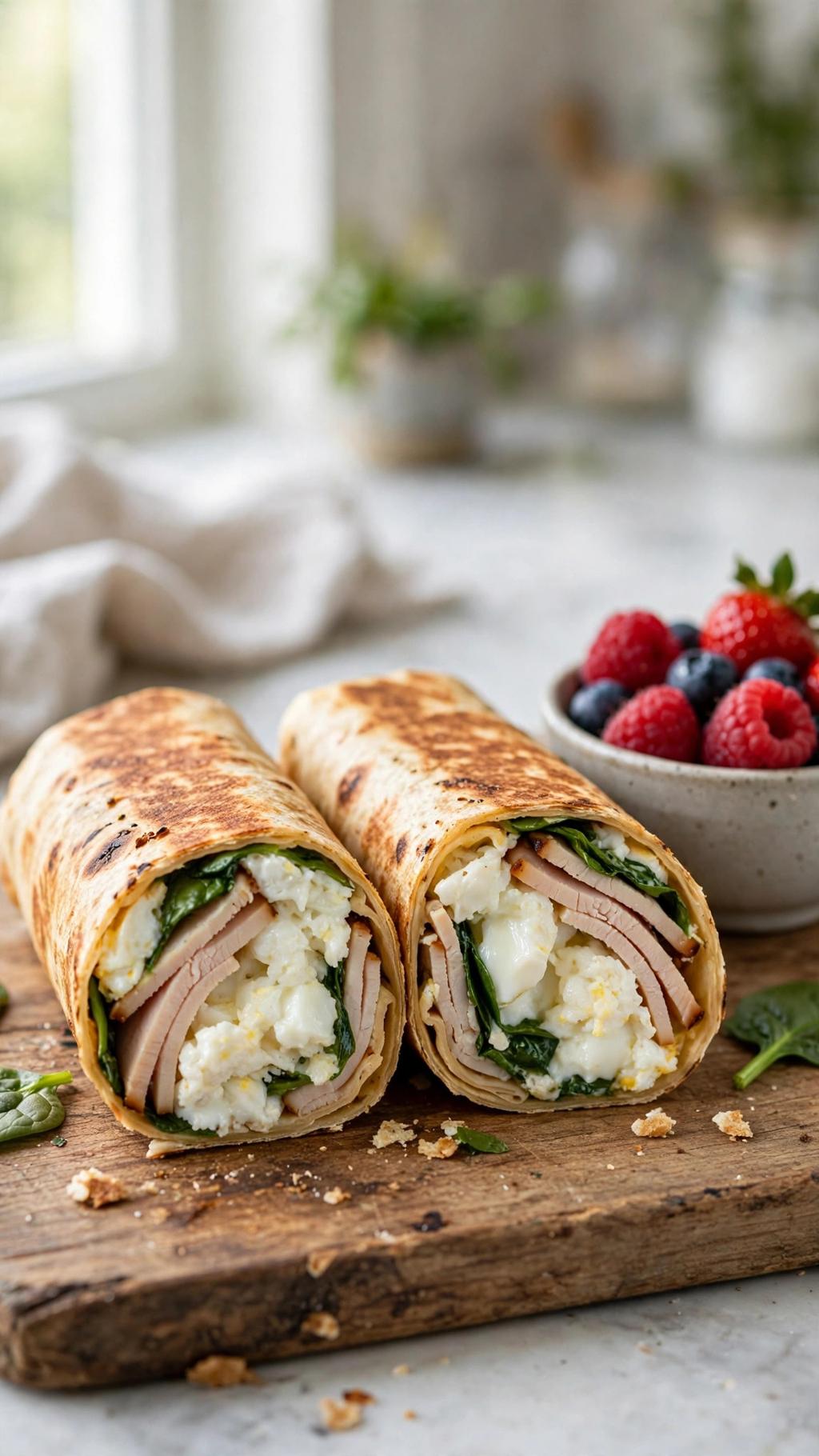
Swap any meal you dislike for another anchor at a similar protein level. The day still works, because the structure - four eating moments, each with an anchor - is what carries the total.
How Should You Spread Protein Across the Day?
On a high protein meal plan, spread your protein across the day instead of saving it for dinner. Even spreading is easier to eat, and it gives your muscles a steady supply.
The International Society of Sports Nutrition position stand puts a useful per-meal protein dose at about 0.25 grams per kilogram of body weight, roughly 20 to 40 grams per meal for most adults.
- Breakfast sets the pace - a 25 to 35 gram breakfast means the day is nearly a third done by 9 am.
- Lunch is the anchor meal - chicken, tuna or a yogurt-based salad at 30 to 40 grams.
- Keep a protein snack ready - muffin cups, a yogurt bowl or cottage cheese toast covers the afternoon gap.
- Dinner finishes the number - it only needs 25 to 35 grams when the earlier meals did their share.
The common failure is the reverse pattern: a near-zero protein breakfast, a light lunch, then a dinner that would need 80 grams to save the day. Almost nobody eats that dinner, and the day quietly lands at half its target.
How Do You Turn One Day Into a 7-Day High Protein Meal Plan?
A 7-day high protein meal plan repeats the sample day's structure with different anchors, so the week stays interesting and the shopping stays simple.
- Pick 2 breakfasts and rotate them - the turkey wrap and a yogurt bowl cover most weeks.
- Batch-cook 2 lunch anchors on Sunday - chicken salad and one more, portioned into containers.
- Rotate dinner anchors - salmon, chicken, eggs and a plant anchor across the week.
- Write the grocery list from the plan - anchors first, then the vegetables, grains and flavours around them.

Two hours of prep covers breakfasts, lunches and snacks for most of the week. Dinners stay fresh-cooked, which keeps the plan from feeling like leftovers by Thursday.
What Mistakes Make High Protein Meal Plans Fail?
Most high protein meal plans fail for structure reasons, not food reasons. The same four mistakes show up again and again.
- No target number - eating "more protein" without a daily gram target almost always lands short.
- Protein saved for dinner - one meal cannot carry a whole day, however big it is.
- Snacks with no anchor - fruit or crackers alone leave a 15 to 20 gram hole in the day.
- A plan with no swaps - the first meal you skip or dislike breaks the week if nothing can replace it at the same protein level.
Fix the structure and the food takes care of itself: a set target, an anchor at every eating moment, and a swap ready for every meal.
Want the Week Planned for You? Meet the Protein-First Planner
Tell it your weight and goal, get a 7-day week that hits your number
Setting a target is step one. The slow part is turning it into seven days of meals that add up to that target, with a grocery list to match. The Protein-First Planner calculates your protein target from your weight and goal, then builds a full 7-day week that hits it.
What it does for you
- Your protein target, calculated from your weight and goal - no guessing which range fits you.
- A full 7-day plan built protein-first, with a per-day scoreboard so you can see each day hit its number.
- Protein-preserving swaps and protein rescue add-ons, so a changed meal or a short day does not sink the week.
- Calorie bands including a 1200-Calorie Mode, a merged grocery list, and print views for the fridge door.
Good to know
- It costs $19 once, with no subscription, and you can build unlimited plans.
- It is a planning tool, not a medical service - it cannot diagnose anything or replace advice about your own health.
Two Small Supports
The planner above is the main tool. These two items just support the plan, and they are secondary.
Glass meal prep containers
Batch-cooked anchors stay easy when lunch is already portioned. Plain glass containers with lids do that job and reheat cleanly. We read many real Amazon customer reviews before listing this pick. Check the current price before you buy.
Check price on AmazonDigital kitchen food scale
A small scale makes the first week honest: weigh the chicken and yogurt once, learn what your portions actually carry, then eyeball with confidence. Check the current price before you buy.
Check price on AmazonA high protein meal plan works when three things line up: a clear daily target, an anchor protein at every meal, and protein spread across the day instead of saved for dinner. Run one planned week and watch the totals. When you want that week built for you, the Protein-First Planner does the target, the plan, the swaps and the grocery list in one pass. Our GLP-1 diet plan applies the same protein-first structure to a smaller appetite.
Questions, answered
How much protein do you need on a high protein meal plan?
It depends on your weight and goal. The National Academies set the general adult allowance at 0.8 grams per kilogram of body weight per day, and the International Society of Sports Nutrition puts most exercising people at 1.4 to 2.0 grams per kilogram. A middle target of 1.6 grams per kilogram is about 109 grams a day for a 150 lb person.
Can you follow a high protein meal plan without protein powder?
Yes. The sample day in this guide reaches 117 grams of protein from eggs, turkey, Greek yogurt, chicken and salmon alone, with no powder at all. Powder is a convenience for busy days, not a requirement - anchor foods do the same job.
Do you need to eat protein at every meal on a high protein meal plan?
It helps a lot. The International Society of Sports Nutrition puts a useful dose at about 20 to 40 grams per meal, spread across the day. Three meals and one snack at that level reach most daily targets without one huge protein-heavy dinner.
How do you hit your protein target on a busy day?
Keep two anchor foods ready in the fridge - a batch of egg muffin cups and a yogurt bowl base cover breakfast and snacks - and keep one fast dinner protein, like salmon patties or chicken, portioned and ready to cook. A short rescue list beats a perfect plan you cannot run on a tired evening.
Is a high protein meal plan right for everyone?
Not automatically. These ranges are general information for healthy adults. If you have kidney disease, are pregnant, or manage any condition with diet, talk to your clinician or dietitian before raising your protein target.
The Whole Nest is here. All 11 WellNest planners, trackers and protein tools in one home - yours to keep, under one key. See The Whole Nest ->
More from WellNest
- Most Affordable GLP-1: Real Monthly Costs Compared - list prices top $1,000 a month, but manufacturer self-pay runs $149 to $499, with savings cards and the places people overpay.
- GLP-1 Diet Plan: What to Eat + a Protein-First Week - the same protein-first structure for a smaller appetite, with shot-day tips and a 99 g sample day.
- How Much Protein on a GLP-1? - your daily protein target in full, and how to reach it when your appetite is small.
- How Long Does Bacon Last in the Fridge? - raw bacon lasts 7 days in the fridge per the USDA and 1 month in the freezer, plus the spoilage signs to trust.
- Ozempic Foods to Avoid: 9 That Can Worsen Nausea - the foods that can worsen nausea and fullness, and the gentle swaps that may sit better.
Got 3 ingredients? Find your recipe
Tell the free WellNest Recipe Finder the 3 ingredients you already have, and it matches you to a real recipe from our verified library. Your match comes with the free finder signup - a fresh 3-ingredient idea in your inbox every week.
 FREE
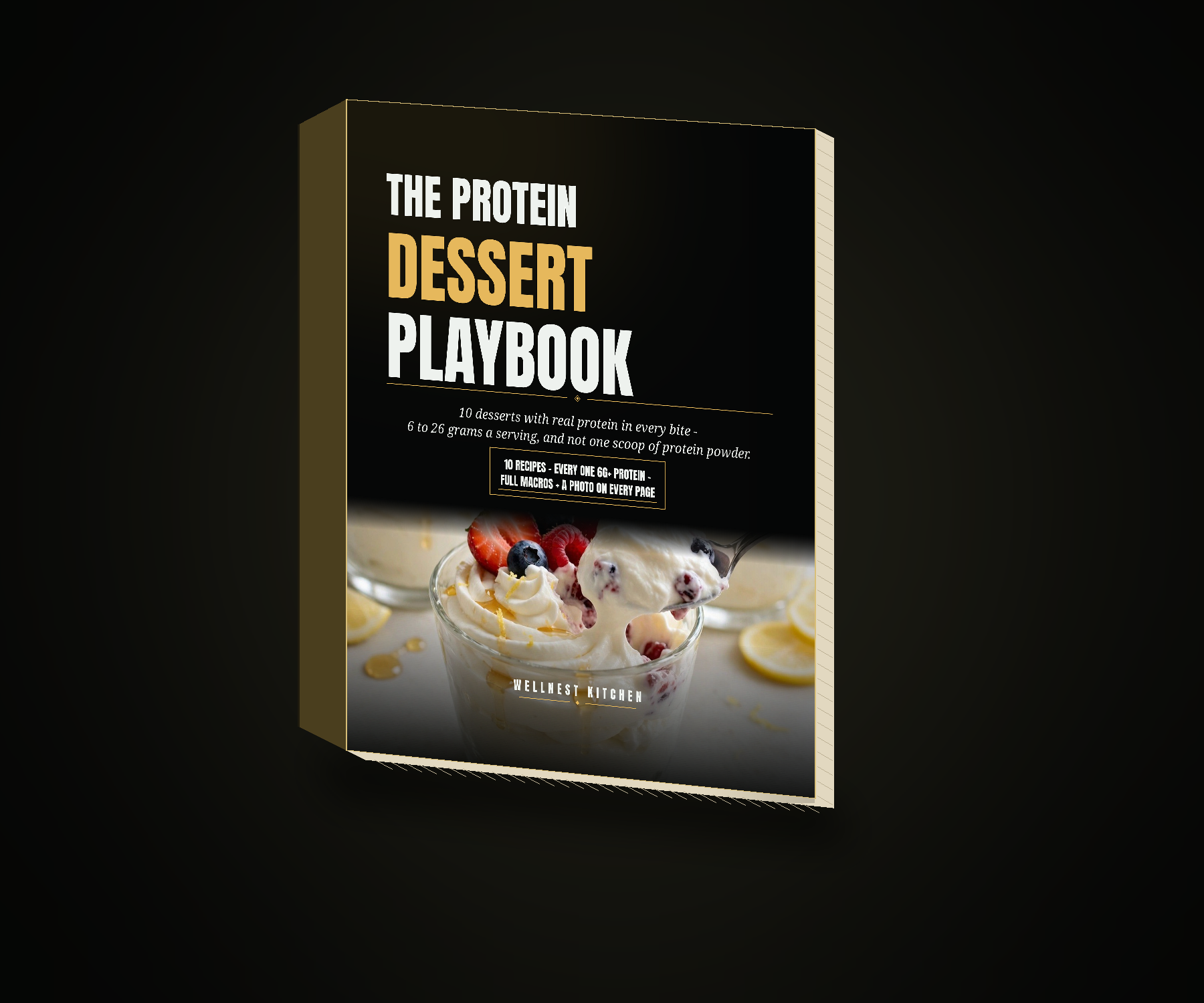
Get the Free Protein Dessert Ebook
10 desserts with 6 to 26 grams of protein in every serving - Greek yogurt, cottage cheese and real food, not one scoop of protein powder. The full pack by email: the Protein Dessert Playbook ebook + a printable pack with the 10 desserts ranked by protein, a starter grocery list and a 3-day dessert plan. Free, in your inbox in about a minute.